
This episode will explore different techniques to help you establish control on scene. We discuss having a pregame plan, communication, and specific tactics for creating order when things get chaotic.
The Game Plan
Every good game starts with a plan. Whether its football, soccer, or hockey no one in pro sports would EVER step out onto the field without knowing exactly what their role is and how they fit into the play. EMS is no different, have a game plan!
“Plan your work, and work your plan.”
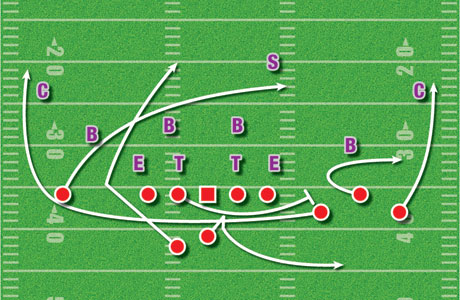
Just like in sports you should know your plan before you step out onto the field. When you are on scene it is not the time to be clarifying what your role is and how you fit into the call. Talk it out with your partner, there is no harm in asking how they like to do things. Don’t be afraid to bring up ways your partner can help support you.
When I was a student I remember several times where I was with a new crew and wasn’t 100% sure of what role my instructor expected me to play. Trust me it didn’t lead to smooth calls. The only way to avoid this is to bring it up right away. As a student if your training officer doesn’t set out clear guidelines for you, ask them. Waiting until you are already on a call is a mistake. Clarify your strategy before you roll out of the station. If the expectation is that you are going to lead the call make a pre-plan for if you get stuck. Having a signal in place will make it easier for your trainer to step in. For students I personally like “Can I borrow your pen?” which alerts your team that they need to step in and support you.
High acuity calls are the perfect example of where a pre-plan is worth its weight in gold in terms of scene control. Do not step onto the field without a strategy. I like to start talking specifics on the way to the call, not when I’m beside the patient. Everything from what equipment I want to bring in to who is doing what and when. If the quarterback knows who they are going to make the throw to and where that person is going to be on the field they are setup to make a great play. Game plans work and they are great for establishing control of a scene.
Communication
One of the single biggest ways you can create order on scene is your communication strategy. What you say and how you say it goes a long way. If your communication comes across as confusing or nervous your control of the scene may start to slip.
Always start with introductions. This is step one in establishing rapport with your patient and others on scene. Speak with a calm yet firm voice and keep your emotion out of it. Emotion shows in your voice and can feed a patients anxiety or be the thing that calms them. Seeing someone in uniform calmly introduce themselves can help scared patients and families feel at ease. Humans are hardwired to try to fit into the environment around them, if someone yells at us we are wired to yell back. When we set the tone of conversation people usually can’t help but match our style of speech. Keeping the scene calm is keeping the scene under control.
Closed-loop communication, ACLS teaches this as their communication strategy when running a code. In closed-loop communication one person asks someone to complete a task and the person receiving the message confirms that they got the message then check back in when that task is done.
Example:
Doctor: “Sara please start an 18 gauge IV.”
Sara: “Alright, I will start the IV.”
Sara: “Doctor, I started that 18 gauge IV on the patients right AC. Is there anything else you would like?”
In this example the doctor is the only person talking, they address the team member by name, and give them a specific task. The team member then confirms that they have received the message. Once the team member finished the task she closed the communication loop by advising the doctor she was done.
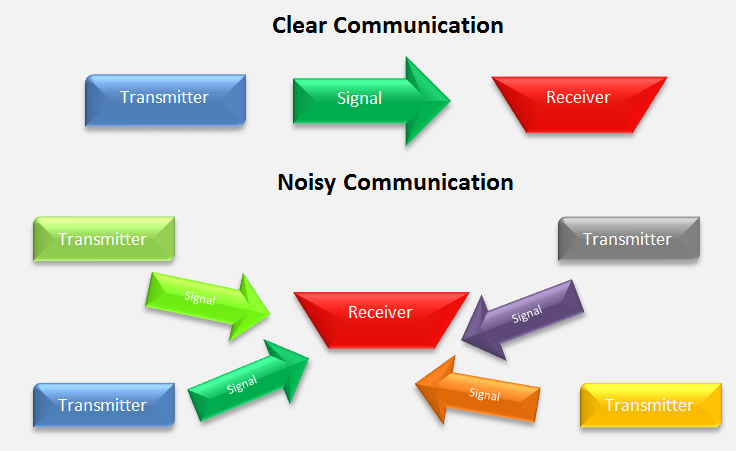
A noisy signal can happen when too many people are talking at once. This can lead to confusion and ultimately mistakes. On scene communication, should be calm, concise, and clear. When organizing things on a call communicate your strategy to your team, and don’t forget your patient is part of that team too!
When other agencies, like police or the fire department enter your scene acknowledge them. Take a moment to introduce yourself and let them know what your game plan is. This very clearly establishes that you are running the show and helps cut down on “free-lancing” when people come into your scene and do their own thing.
Assumptions are deadly! Don’t assume, EVER. If you aren’t 100% sure of something start asking questions. If you are calling the shots don’t be afraid to check back in with your team, take the lead on closing the communication loop.
Keep your office clean. Here is a quick list of things that can help give you some breathing room on a call and restore order to the scene: